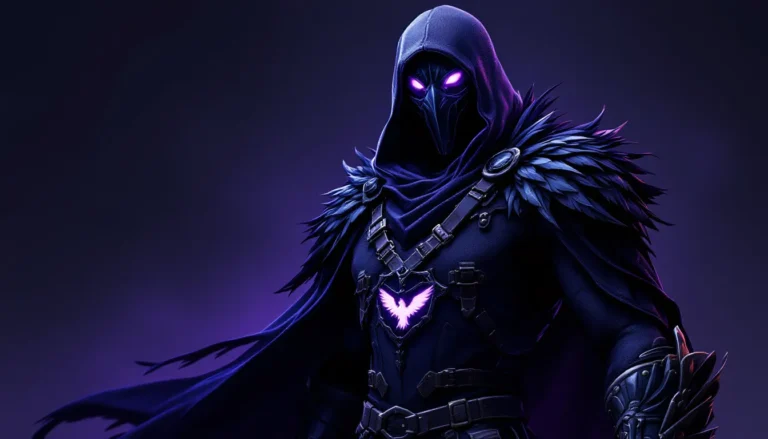
When you drop into the Battle Royale island, your skin choice says a lot about who you are as a player. The term “Fortnite girl” has evolved from simple search queries into a full-blown community fascination with female skins, their designs, and the culture surrounding them. Whether you’re hunting for the perfect aesthetic to match your playstyle or trying to complete a collection of rare female characters, understanding what makes these skins so popular can elevate your Fortnite experience.
Female skins have dominated the Item Shop rotation and Battle Pass lineups since Fortnite’s early seasons. They’re not just cosmetic choices, they’ve become status symbols, competitive preferences, and creative canvases for Epic Games’ design team. From sleek tactical operators to anime-inspired collaborations, the variety is staggering. This guide breaks down everything from the most sought-after skins to customization combos, lore deep-dives, and practical tips for both casual and competitive players.
Table of Contents
ToggleKey Takeaways
- Fortnite girl has evolved from a simple search term into a cultural phenomenon centered on female character skins, player preference, and cosmetic collections that appeal across all demographics.
- Competitive players favor Fortnite girl skins like Aura and Crystal for improved sightlines and reduced visual clutter rather than actual hitbox advantages, which are identical across all character models.
- Female skins dominate Battle Pass rotations and the Item Shop with superior customization options, including more hairstyle variations, color palettes, and progressive style unlocks compared to male character alternatives.
- Rare and exclusive female skins such as Renegade Raider, Galaxy Scout, and limited-time collaboration skins command high value in the community as status symbols and collectible time-capsules of Fortnite’s cultural moments.
- Content creators and streamers amplify Fortnite girl skin popularity by using them as personal brand avatars, as female skins photograph better in thumbnails and deliver more expressive animations for video content.
- Building the perfect loadout and combo with back bling and emotes transforms Fortnite girl skins into cohesive cosmetic statements that enhance both competitive gameplay and personal creative expression.
What Does “Fortnite Girl” Mean in the Gaming Community?
The phrase “Fortnite girl” gets tossed around in different contexts. At its core, it refers to female character skins available in the game, basically any playable avatar that presents as female. But dig deeper, and you’ll find it’s also a cultural touchpoint.
In the community, “Fortnite girl” can describe players who gravitate toward female skins, collectors who focus exclusively on acquiring them, or content creators who build their brand around these characters. It’s not gendered in practice, plenty of male players main female skins, and vice versa. The term has become shorthand for a specific aesthetic preference rather than anything about the player themselves.
Search trends show that “Fortnite girl” spikes whenever Epic drops a new female skin with standout design elements, think Skye from Chapter 2 Season 2 or Evie from Chapter 4. Players aren’t just looking for any skin: they want characters with personality, clean animations, and gear that looks good in both lobby poses and mid-combat. The phrase has evolved beyond simple categorization into a niche within Fortnite’s massive customization ecosystem.
The Most Popular Female Skins in Fortnite Right Now
Iconic Female Skins Every Player Should Know
Some female skins have transcended seasonal hype to become permanent fixtures in Fortnite culture. Renegade Raider remains the holy grail for collectors, an original Season 1 skin that never returned to the shop. Her scarcity makes her instantly recognizable, though you’ll rarely see her in actual matches these days.
Aura has become the unofficial poster child for competitive Fortnite. Released back in Chapter 1, this clean, minimal skin offers excellent visibility without distracting visual clutter. Pros like Bugha and Clix have been spotted using her in tournaments, cementing her reputation. She rotates into the shop regularly for just 800 V-Bucks, making her accessible to anyone.
Crystal follows a similar philosophy, sleek design, no unnecessary bells and whistles. Her ponytail doesn’t obstruct sightlines, and her color palette makes tracking opponents easier in chaotic build fights. Both Aura and Crystal dominate Arena mode lobbies.
For pure aesthetic impact, Calamity from Season 6 still holds up. Her progressive outfit system let players unlock style variations through gameplay, and her Wild West gunslinger vibe was something Fortnite hadn’t explored before. Many players grinding through the next Battle Pass hope for similar progressive systems.
Rare and Exclusive Female Skins Worth Collecting
Rarity breeds obsession in Fortnite. Skull Trooper’s female counterpart, Skull Ranger, appears only during Fortnitemares events. Her glow-in-the-dark style makes her a Halloween favorite, but limited availability means missing her rotation could mean waiting another year.
Ghoul Trooper sits in the same exclusivity tier. Originally released in 2017, she didn’t return until 2019, causing community-wide panic. Epic added a pink variant for returning players, but OG owners kept the original style as a mark of veteran status.
Collaboration skins often become instant collectibles. Wonder Woman from the DC series only appeared during specific promotional windows. Same goes for Ariana Grande’s Rift Tour skins, tied to a one-time in-game concert event. These aren’t just rare: they’re time-capsules of Fortnite’s cultural moments.
The Galaxy Scout skin required purchasing specific Samsung devices to unlock, making her one of the most exclusive female skins ever released. Device-locked promotions like this create genuine scarcity that no amount of V-Bucks can bypass later.
Battle Pass Female Skins in Chapter 5
Chapter 5 Season 1 brought Selene to the Battle Pass around tier 60. Her celestial knight design mixed fantasy aesthetics with clean armor geometry, and her reactive styles changed based on eliminations. Players could unlock additional color variants through seasonal quests.
Nisha hit the Battle Pass mid-season as a bonus skin for completing specific milestone challenges. Her cyberpunk aesthetic felt fresh compared to the season’s jungle theme, offering variety for players who wanted something outside the main narrative.
Chapter 5 Season 2’s standout was Korra from Avatar: The Last Airbender. Epic’s collaboration delivered multiple style options reflecting different elements, though she technically sat in the premium track. Her inclusion proved that Battle Pass female skins now compete directly with Item Shop offerings in terms of design quality.
Current Chapter 5 seasons continue prioritizing female representation in Battle Pass rosters. Typically, players can expect 3-4 female skins per season across the free and premium tracks, with at least one ultra-rare secret skin revelation toward the end.
How to Get the Best Female Skins in Fortnite
Item Shop Purchases and Rotation Patterns
The Item Shop refreshes daily at 00:00 UTC, cycling through Epic’s massive catalog. Popular female skins like Aura and Crystal return roughly every 30-45 days. Tracking sites monitor rotation patterns, but Epic occasionally breaks predictable schedules with surprise drops.
Skins fall into rarity tiers that determine pricing:
- Uncommon (Green): 800 V-Bucks
- Rare (Blue): 1,200 V-Bucks
- Epic (Purple): 1,500 V-Bucks
- Legendary (Gold): 2,000 V-Bucks
Holiday and event skins command premium pricing but offer unique designs you won’t find elsewhere. Maven, a news reporter skin, costs 1,500 V-Bucks but includes reactive facial expressions and multiple style options, good value for Epic tier pricing.
Pro tip: V-Bucks go on sale during seasonal events. The 13,500 V-Bucks pack normally costs $99.99 but sometimes includes bonus currency during anniversary celebrations. Buying in bulk saves money if you’re committed to collecting skins.
Community sites like Dexerto often leak upcoming Item Shop rotations through data mining. While not officially confirmed until Epic announces them, these leaks give collectors advance warning to save V-Bucks.
Earning Skins Through Battle Pass and Challenges
The Battle Pass costs 950 V-Bucks (roughly $7.99) and unlocks a seasonal progression system. Completing weekly challenges and daily quests earns XP, which levels up the pass and unlocks rewards. Most Battle Passes include 1,500 V-Bucks distributed across tiers, meaning you earn back more than you spent if you complete it.
Female skins typically appear at tier milestones: 1, 40, 60, 80, and 100. You’ll need approximately 80-100 hours of gameplay per season to unlock everything, though completing daily quests and bonus goals accelerates progress.
Some skins require specific challenge completions beyond just leveling. Bonus Rewards sections often gate additional style variants behind tasks like “Eliminate 50 opponents with assault rifles” or “Reach Top 10 in 15 matches.” These add longevity but can frustrate players short on time.
Creative mode and various game modes offer alternative XP sources. AFK XP maps (though controversial) let players earn passive progression, though Epic periodically patches these exploits. Legitimate Creative maps offering bonus XP still exist and provide fun ways to grind levels.
Save The World mode, Fortnite’s original PvE experience, occasionally rewards exclusive skins. Rose Team Leader and Warpaint were once Save The World exclusives before joining the Item Shop rotation. If you own Save The World, daily login rewards grant V-Bucks, essentially providing free currency for skins.
Customizing Your Female Character: Emotes, Back Bling, and Pickaxes
Best Matching Combos for Female Skins
Skin combos are where Fortnite’s customization shines. Matching back bling, pickaxes, and gliders to your skin creates cohesive looks that stand out in lobbies and streams.
For Aura, players typically pair her with:
- Banner Cape (black or white variants) for clean minimalism
- Star Wand pickaxe for the iconic competitive sweaty aesthetic
- Tactical Sledge for a more aggressive vibe
Crystal works beautifully with:
- Scaly back bling (from Season 8’s Battle Pass)
- Vision pickaxe for color coordination
- Any of the S-tier gliders like Paper Plane or Stealth Black
Collaboration skins often include matching sets. Chun-Li from Street Fighter comes with her Chun-Li’s Challenge back bling and Psionic Energy pickaxe, all designed as a cohesive set. Using the full set shows dedication to the character.
Mix-and-match combos let creativity shine. Dark Bomber with Ghost Portal back bling and Rift Edge pickaxe creates an otherworldly aesthetic. Community sites like Game Rant regularly showcase player-created combo guides for inspiration.
The Ruby skin pairs exceptionally well with red-themed accessories, Burning Beast, Dragon’s Claw, or the Bloodsport wrap. Color theory matters: matching complementary colors elevates your visual presentation beyond random cosmetic selection.
Top Emotes and Dances for Female Characters
Some emotes simply look better on female character models due to animation rigging. Renegade, the TikTok-inspired dance, was designed with female proportions in mind and flows more naturally on skins like Skye or Meowscles.
Tidy remains a competitive favorite for its quick animation and psychological impact. Cleaning up after an elimination sends a message, and it looks equally good on any skin. Its widespread use among popular emotes makes it a staple purchase.
Take The L is toxic perfection. Yes, it’s BM (bad manners), but that’s exactly why players love it. The female animation adds a particular sass that amplifies its taunting nature. Use it sparingly unless you enjoy reciprocal toxicity.
For lobby showcases, Scenario offers smooth flow and distinctive moves. It’s longer than most emotes, making it ideal for showing off while waiting for matches to start. Witch Way and Dance Moves also benefit from the female animation rig’s fluidity.
Icon Series emotes like The Renegade and Blinding Lights (from The Weeknd collaboration) feature motion-captured choreography that translates exceptionally well to Fortnite’s female models. These cost more but deliver premium animation quality.
Syncable emotes like Best Mates work perfectly for duo content creation. Streamers often coordinate matching female skins with synchronized emotes for intro sequences and lobby entertainment between matches.
Female Characters in Fortnite Lore and Storyline
Slone, The Foundation, and Other Key Female Figures
Lore-wise, female characters drive much of Fortnite’s ongoing narrative. Doctor Slone emerged as a primary antagonist during Chapter 2 Season 7’s alien invasion. As the leader of the Imagined Order (IO), she manipulated The Seven and players alike, creating one of Fortnite’s most complex villains. Her skin became available through that season’s Battle Pass, complete with alternate styles reflecting her story progression.
The Imagined joined The Seven as a founding member and badass wielding dual pistols. Her reveal in Chapter 3 came with voice acting from the real-life Jolene Cherry, adding personality beyond just cosmetic appeal. Players unlocked her through Season 2 Chapter 3 quests, and her styles reflected damage from ongoing battles.
Evie from Chapter 4’s Fracture event played a crucial role in the reality-bending storyline. Her connection to the Zero Point positioned her as both a mystical figure and a tactical operator. Epic gave her multiple reactive styles that changed based on match performance.
Paradigm, one of The Seven, returned in Chapter 3 Season 4. Voiced by Brie Larson, she’s become a fan-favorite for both her design and her importance to defeating The Cube Queen. Her skin sold out Item Shop rotations whenever she appeared.
Other notable lore characters include Jules (Midas’s daughter and engineer extraordinaire), The Scientist’s assistant Origins, and Amie from the Season OG nostalgia event. Each brings unique story threads that Epic weaves through seasonal cinematics and in-game events.
Collaboration Skins: From Marvel to Anime
Collaborations have become Fortnite’s signature move. Marvel’s partnership delivered Black Widow, Scarlet Witch, Storm, and She-Hulk across multiple seasons. The Chapter 2 Season 4 Marvel-themed Battle Pass included Mystique with shapeshifting emote capabilities, a technical achievement that let players mimic opponent skins.
DC Comics brought Harley Quinn (multiple variants), Wonder Woman, Catwoman, and Poison Ivy. Harley’s Rebirth style, Classic look, and Always Fantabulous variant gave players options spanning decades of comic history. According to sources at GamesRadar+, DC collaborations consistently rank among top-selling Item Shop releases.
Anime collaborations exploded starting with Naruto in Chapter 2 Season 8. Female characters included Sakura and Hinata, each with show-accurate abilities represented through built-in emotes. The Attack on Titan collab brought Mikasa Ackerman with ODM Gear back bling, one of the most detailed accessories Epic’s ever created.
Street Fighter added Chun-Li and Cammy, both featuring alternate styles from different game eras. These weren’t just skins: they were love letters to fighting game culture, complete with matching stage-themed loading screens.
Icon Series collaborations feature real-world celebrities. Ariana Grande got multiple skin variants tied to her Rift Tour concert. Billie Eilish received a skin that reflected her distinctive fashion sense. These blur the line between gaming and mainstream pop culture, expanding Fortnite’s reach beyond traditional gaming audiences.
The Hatsune Miku collaboration in early 2025 shocked the community, Fortnite’s first vocaloid skin brought anime aesthetic to a new level. Her reactive holographic effects changed based on eliminations, showing Epic’s willingness to push technical boundaries for collaboration skins.
Why Female Skins Are So Popular Among Players
Competitive Advantages and Hitbox Myths
Let’s kill the hitbox myth immediately: all Fortnite skins share identical hitboxes. Epic confirmed this repeatedly, most recently during Chapter 4 AMA sessions. Choosing Aura over Brutus doesn’t make you harder to hit, the collision detection remains constant across all character models.
But, perceived advantages exist. Slimmer female skins like Crystal or Bullseye offer less visual obstruction. In build fights where every pixel matters, seeing opponents through tight gaps or around structures provides tangible benefits. This is why competitive players overwhelmingly favor female skins, not for actual hitbox differences, but for improved sightlines and reduced screen clutter.
The “sweaty skin” phenomenon emerged from this preference. When top-tier players consistently chose skins like Aura, the community associated those skins with high skill. Now, wearing Aura or Crystal signals competitive intent, whether or not you’re actually a tournament grinder.
Some female skins feature tighter animation rigs with less arm swing during movement. This reduces peripheral visual noise, letting players focus on crosshair placement and tracking. Poised Playmaker and Clinical Crosser (soccer skins) exemplify this, minimal animations, clean profiles, pure function.
Streamers amplify these preferences. When players watch SypherPK or NickEh30 dominate lobbies using specific female skins, they want to replicate that success. Whether it’s placebo or legitimate advantage, the psychological edge matters in competitive gaming.
Aesthetic Appeal and Player Preference
Beyond competition, female skins simply offer better cosmetic variety. Epic’s design team experiments more freely with female character aesthetics, from anime-inspired looks to high-fashion runway styles. Male skins trend toward military operators, bulky armor, or meme characters.
Color palettes for female skins span the entire spectrum. Ruby offers vibrant red, Sparkle Supreme brings disco glam, and Galaxia delivers cosmic purple gradients. Male skins often stick to tactical blacks, grays, and military greens. This variety appeals to players who view skins as personal expression rather than just cosmetic choices.
Customization options for female skins include more hairstyle variations, facial expressions, and style edits. Calamity had five progressive stages. Catalyst offered seven different color variants. Male skins rarely receive this level of customization depth.
Community content creation favors female skins. YouTube thumbnails, Twitch overlays, and TikTok clips featuring female characters generate higher engagement metrics. Content creators optimize for visual appeal, and female skins photograph better in lobby poses and action shots.
The creative community particularly gravitates toward female skins when building showcase maps or creating artistic screenshots. Cinematic sequences benefit from more expressive character models, and female skins deliver greater range in animation and posing.
Player demographics also factor in. Fortnite’s audience spans all ages and genders, but female skins appeal broadly across demographics. Male players main female skins without stigma (unlike some competitive games), creating a non-gendered cosmetic culture where preference trumps identity politics.
Tips for Playing as Female Skins in Competitive and Casual Modes
Building the Perfect Loadout to Match Your Skin
Your loadout should complement your skin’s aesthetic while remaining competitively viable. Running Aura with an aggressive playstyle? Prioritize SMGs and shotguns, the close-range meta rewards her clean sightlines. Ranger Shotgun and Combat SMG let you capitalize on the visual advantages that made you choose her in the first place.
For skins like Lynx or Catalyst with sleek, stealthy aesthetics, long-range loadouts make thematic sense. DMR and Striker Pump combinations let you control engagement distances. Add Shockwave Grenades for mobility to match the ninja-inspired design philosophy.
Bright, loud skins like Harley Quinn or Peely (technically not female but worth mentioning for contrast) announce your presence. Lean into it, push aggressively and use the psychological factor. Opponents often underestimate flashy skin users, assuming they’re casual players. Prove them wrong.
Some players match weapon wraps to their skin’s color scheme. Ruby pairs with the Magma wrap. Crystal looks sharp with Ice Mantle or Frozen. These touches won’t improve your K/D, but they enhance the holistic experience. Think of it like matching your gaming chair to your setup, unnecessary, but satisfying.
In boss fights and PvE content, skin choice matters less than loadout optimization. That said, running thematically appropriate skins to match the season’s storyline adds immersion. Fighting The Herald? Use The Paradigm. It’s the little things.
Streaming and Content Creation with Female Skins
Content creators treat skin selection as brand building. SypherPK built part of his identity around clean, competitive skins. Loserfruit mains her custom Icon Series skin. Your skin becomes your avatar, literally and figuratively.
For Twitch and YouTube content, female skins photograph better in thumbnails and overlays. Faces are more expressive, color schemes pop harder, and poses have more dynamic range. Test how your chosen skin looks in replay mode before committing to it for a content series.
Consistency matters. Switching skins every stream dilutes visual branding. Pick 2-3 signature skins and rotate between them so your audience associates those characters with your content. Pokimane famously mained Sparkle Specialist, creating instant recognition.
Custom skin combos differentiate your content from competitors. When everyone runs Aura with Banner Cape, the meta becomes saturated. Find underrated female skins like Waypoint or Verge and build unique combinations. Stand out rather than blend in.
For highlight reels and montages, dramatic skins with flowing animations work best. Evie’s reactive styles change during gameplay, creating visual interest in edited content. Static skins like Bullseye work great in-game but look flat in post-production.
If you’re serious about content creation, invest in skins that’ll remain relevant long-term. Collaboration skins come and go, but characters tied to ongoing lore (like Slone or Jules) maintain relevance across seasons. This protects your content from feeling dated when you revisit old footage.
Conclusion
Female skins in Fortnite represent far more than cosmetic choices, they’re statements of style, competitive preference, and personal identity within the game’s massive ecosystem. From the clean lines of Aura dominating competitive lobbies to the lore-heavy presence of Doctor Slone shaping Fortnite’s ongoing narrative, these characters have become integral to how players experience the game.
Whether you’re chasing rare exclusives like Renegade Raider, grinding Battle Pass tiers for the latest seasonal offerings, or carefully crafting the perfect skin combo for your stream, the depth of customization available keeps the community engaged season after season. The competitive advantages might be mostly psychological, but perception shapes reality in gaming, and if running Crystal makes you play with more confidence, that confidence translates to actual performance.
As Chapter 5 continues evolving Fortnite’s story and expanding its collaboration roster, expect female characters to remain at the forefront of both cosmetic innovation and narrative development. The question isn’t whether to invest in female skins, it’s which ones match your playstyle, aesthetic preferences, and long-term collection goals.